
Explore the safety and travel considerations for US citizens planning a visit to Zimbabwe.
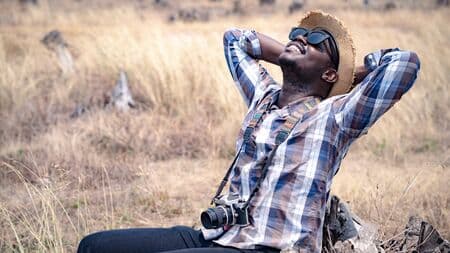
Image via 123RF
In This Article
Safety Overview
Get in touch with us and we'll get back to you as soon as possible.
Here's what sets us apart from the competition
We deliver exceptional experiences at fair, transparent prices, ensuring every journey offers genuine quality, comfort, and unforgettable adventure without unnecessary costs.
Your journey is crafted around your interests, pace, and travel style, giving you a custom-made adventure that feels authentic, meaningful, and entirely your own.
From planning to your final day of travel, our dedicated team is available to guide, assist, and ensure your trip runs smoothly and stress-free.
Find answers to common questions
Pack lightweight, neutral-coloured clothing for daytime, warmer layers for early mornings and evenings, a wide-brimmed hat, sturdy walking shoes, sunscreen, insect repellent, binoculars, and a small daypack; bring any personal prescriptions and copies of travel documents.
Passport validity and visa rules vary by nationality and destination-check entry requirements for each country on your itinerary well before travel, ensure your passport meets the minimum validity and blank page rules, and allow time for any required visas or entry approvals.
Zimtrek coordinates ground transfers, regional flights, and internal logistics through vetted local partners and guides to provide seamless connections; specific transfer times and transport types will be included in your itinerary and can be adjusted to suit your preferences where possible.
Activities range from relaxed lodge safaris and cultural visits to walking safaris and multi-day trekking; discuss your fitness level, mobility limits, and travel preferences with Zimtrek so they can tailor an itinerary that matches your activity tolerance and desired pace.
Wildlife viewing varies by region: dry seasons (generally May-October in Southern Africa and June-October in parts of East Africa) concentrate animals around water sources, improving sightings; migratory events like the Serengeti wildebeest migration have specific windows that depend on the year and location.
Travel Precautions
Local Insights
Safety is a primary concern for many travelers, especially when visiting new and unfamiliar countries. Zimbabwe, known for its stunning landscapes and vibrant culture, is generally considered safe for tourists, including US citizens. However, like any travel destination, it requires awareness and preparation.
Zimbabwe has seen political and economic challenges, which have sometimes impacted safety perceptions. Yet, most tourist areas, including Victoria Falls, Hwange National Park, and Matobo Hills, remain peaceful and welcoming. Travelers are advised to keep informed about local news and heed travel advisories from reliable sources.
Petty crime, such as pickpocketing and bag snatching, can occur in urban areas, but violent crime against tourists is rare. Exercising basic precautions, such as avoiding isolated areas at night and securing personal belongings, can enhance personal safety.
Tip: Use reputable transport services and avoid displaying valuables in public.
Travelers should be aware of health risks, such as malaria in certain regions. Vaccinations for hepatitis, typhoid, and yellow fever are recommended. Access to healthcare facilities in major cities is adequate, but it may be limited in rural areas.
| Health Risk | Precaution |
|---|---|
| Malaria | Use mosquito nets and repellents |
| Water Safety | Drink bottled or boiled water |
Having a list of emergency contacts is crucial. The US Embassy in Harare can provide assistance to American travelers. Local emergency services can be reached by dialing 999.
Info: Register with the Smart Traveler Enrollment Program (STEP) to receive safety updates.
Understanding and respecting local customs is essential for a pleasant travel experience. Zimbabweans are generally friendly and hospitable, but it's important to be aware of cultural norms.
Modest clothing is advised, especially in rural areas. While urban areas are more relaxed, conservative attire is appreciated during visits to religious or cultural sites.
Ask for permission before photographing people or private properties. Some areas, such as military zones, may prohibit photography entirely.
While English is widely spoken, learning a few phrases in Shona or Ndebele can endear you to locals. Simple greetings and polite expressions can go a long way in building rapport.
Planning and preparation can greatly enhance your travel experience in Zimbabwe. Consider the following tips:
| Travel Tip | Recommendation |
|---|---|
| Currency | US Dollars widely accepted |
| Transport | Use registered taxis or rental services |
Traveling independently or with a guided tour each has its benefits: guided tour
Always verify the latest travel advisories from official sources before planning your visit.

